When Fashion Came to the Biltmore
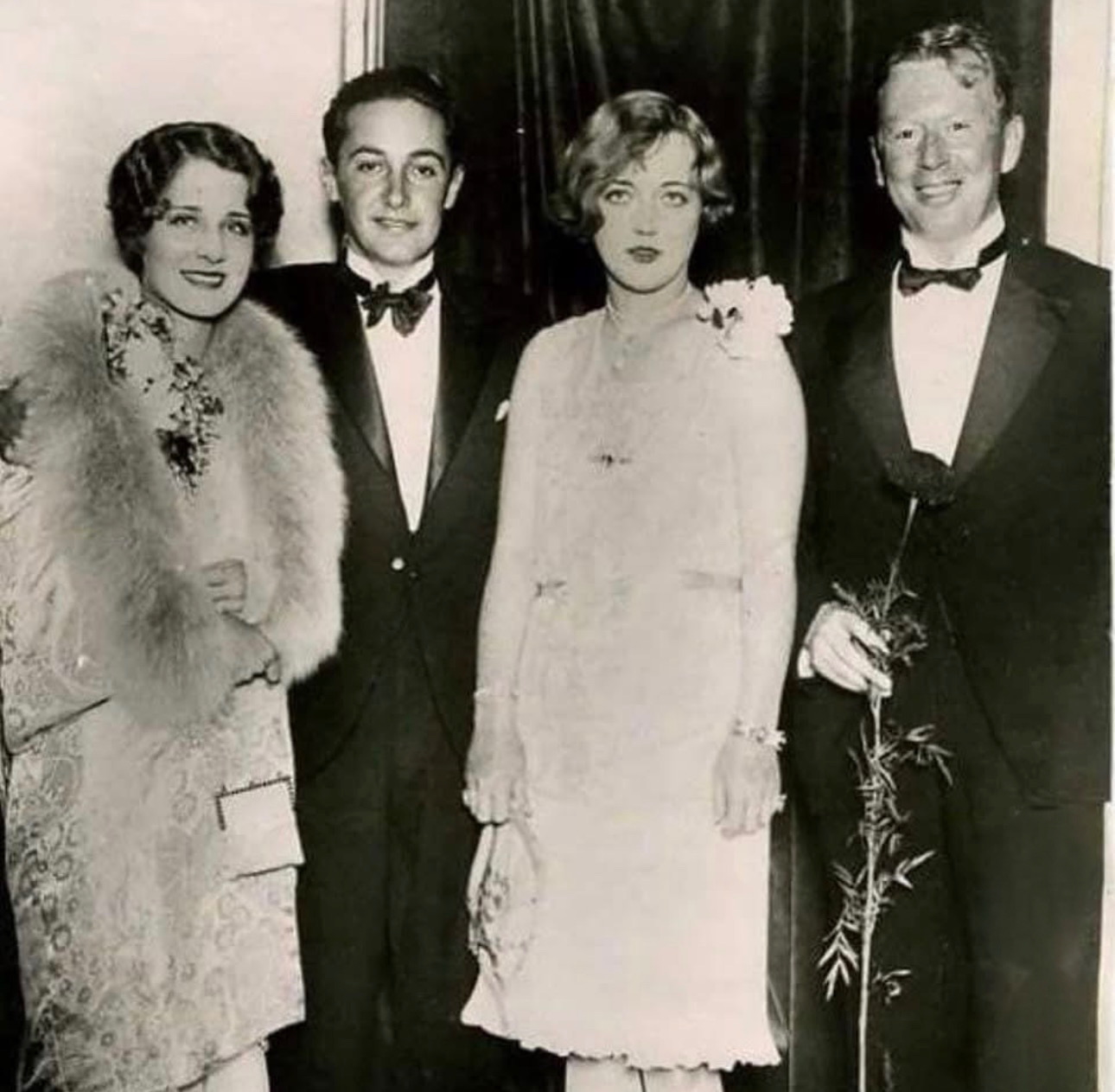
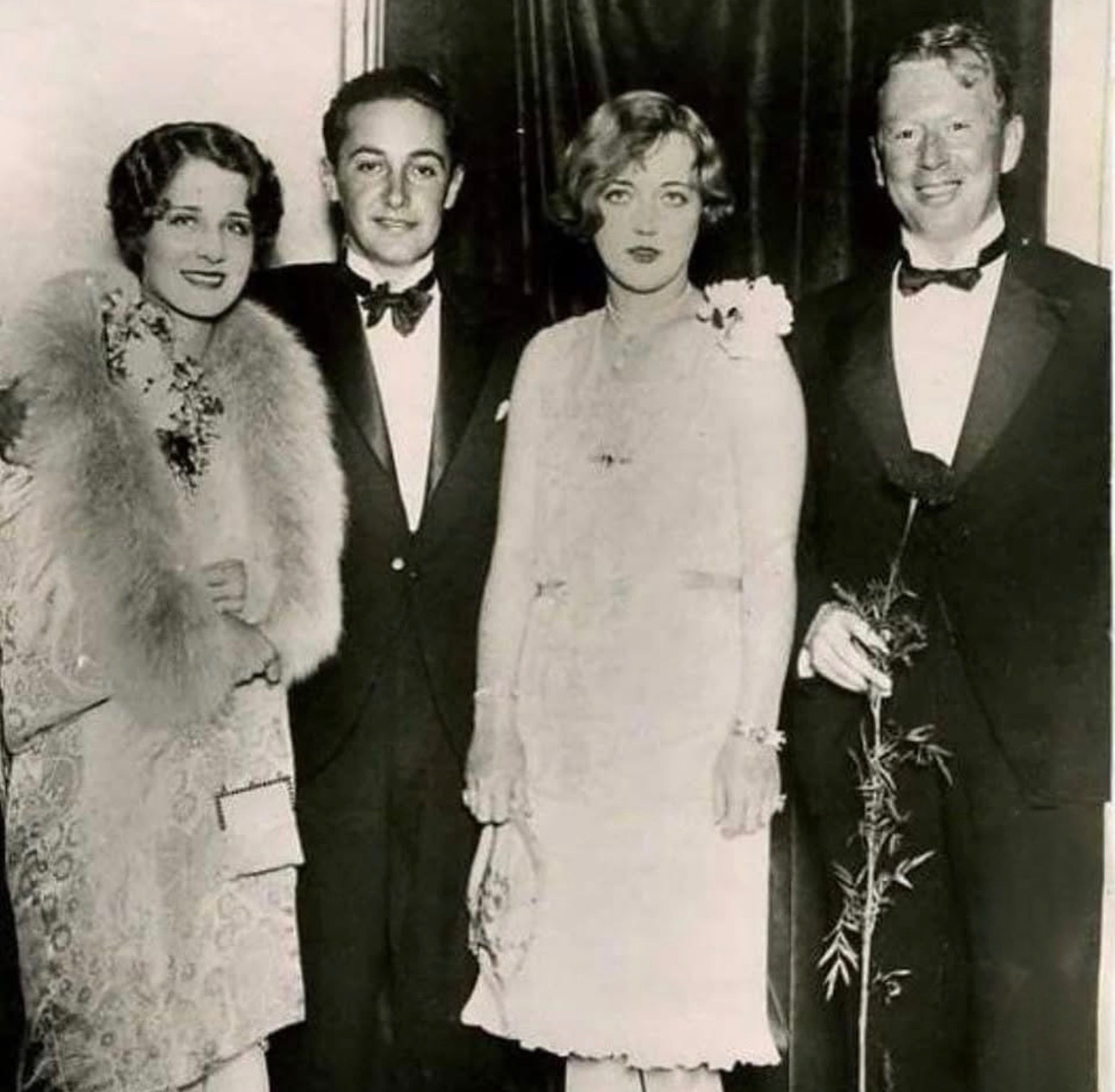
The Glamour of Coral Gables in the Roaring Twenties
In January 1926, the doors of the magnificent Biltmore Hotel opened in Coral Gables, and almost immediately it became far more than a place to spend the night. George Merrick envisioned the hotel as the centerpiece of his young "City Beautiful" - a destination devoted to elegance, sport, entertainment and, importantly, fashion. The hotel itself describes Merrick's original vision as creating a center for sports, fashion, and grand living.
Built during the height of Florida's great land boom, the Biltmore was designed to impress. Its soaring tower, Mediterranean Revival architecture, grand public rooms and immense swimming pool created a theatrical setting unlike almost anything else in South Florida. When it opened to the public on January 15, 1926, it quickly attracted socialites, celebrities, politicians, aristocrats and wealthy winter visitors escaping the colder cities of the North.
And where fashionable people gathered, fashion naturally followed.
During the Biltmore's Jazz Age years, fashion shows became part of the hotel's social entertainment. The Biltmore's own historical archives record guests enjoying fashion shows, gala balls and aquatic shows alongside golf tournaments and performances by big bands.
These were not fashion shows in quite the way we imagine a modern runway presentation. In the 1920s, fashionable resorts and grand hotels often turned clothing presentations into social occasions. Guests could spend an afternoon watching models display the newest silhouettes while dining, socializing or relaxing around the resort. At the Biltmore, fashion became part of an entire atmosphere of leisure and spectacle.
The hotel's celebrated swimming pool provided an especially glamorous backdrop. Contemporary accounts of the Biltmore's earliest seasons describe bathing beauties appearing in swimming and fashion shows, combining two great obsessions of the era: resort life and the dramatically changing fashions worn by modern women.
Imagine the scene in 1926: women arriving in cloche hats and silk afternoon dresses, men dressed in lightweight suits, musicians playing nearby, and models appearing in the latest resort fashions beside one of the most extravagant swimming pools in America. Hemlines had risen, women's hair had been bobbed, and fashion was becoming freer, sleeker and far more daring than it had been only a decade earlier.
The setting could hardly have been more appropriate.
The Biltmore represented the fantasy of the new Florida - sunny, sophisticated and slightly exotic. Guests could golf, play tennis, attend elaborate dinners and dances, watch aquatic exhibitions and even travel by imported Italian gondola through Coral Gables waterways to Tahiti Beach. Fashion was woven naturally into that world.
What makes the Biltmore's early fashion history especially fascinating is that Coral Gables itself was still remarkably young. The hotel was not simply participating in an established social scene; it was helping create one. Merrick wanted Coral Gables to represent refinement and beauty, and the Biltmore provided the stage upon which that identity could be performed.
A fashion show there was therefore more than an opportunity to admire a dress. It helped sell an image of Coral Gables.
The fashionable woman strolling through the Biltmore represented the new South Florida lifestyle: cosmopolitan yet tropical, elegant but relaxed. The latest evening gowns, bathing costumes, hats and resort clothes all reinforced the idea that Miami was no longer merely a frontier destination. It could compete with the great winter resorts of Palm Beach, New York society and the European Riviera.
That glamour survived even after the spectacular Florida boom began to collapse. The devastating 1926 hurricane and subsequent economic troubles changed Miami dramatically, but the Biltmore continued to entertain fashionable guests through the following decade. Eventually, World War II brought the resort era to a temporary end when the hotel was converted for military and hospital use in 1942.
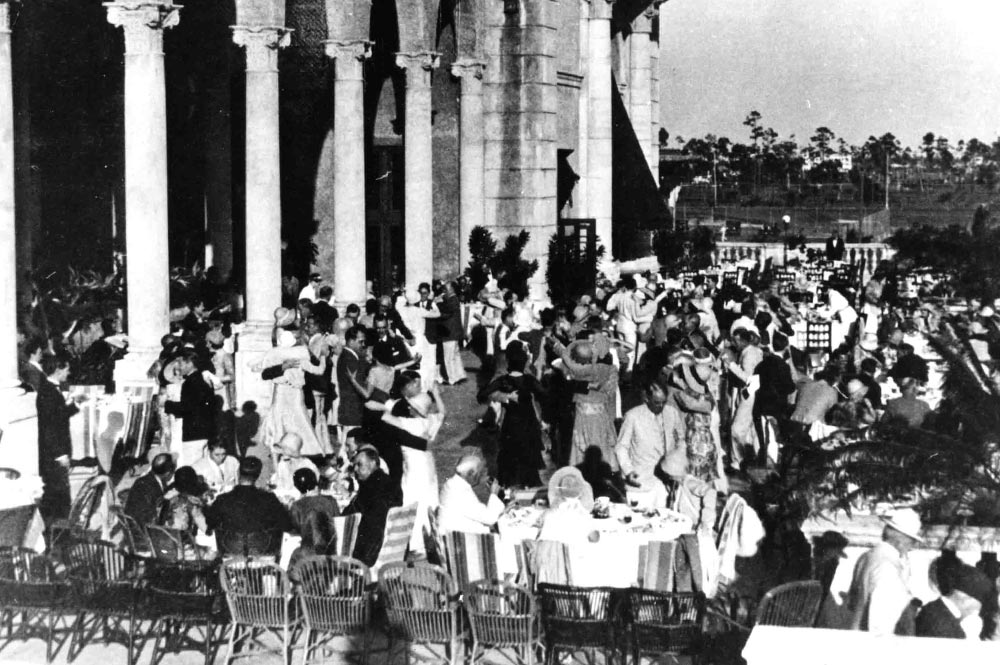
Yet the image of the 1920s Biltmore remains irresistible: jazz drifting through grand rooms, champagne glasses on white tablecloths, fashionable guests arriving from New York, bathing beauties circling the pool and models presenting the newest styles beneath the Florida sun.
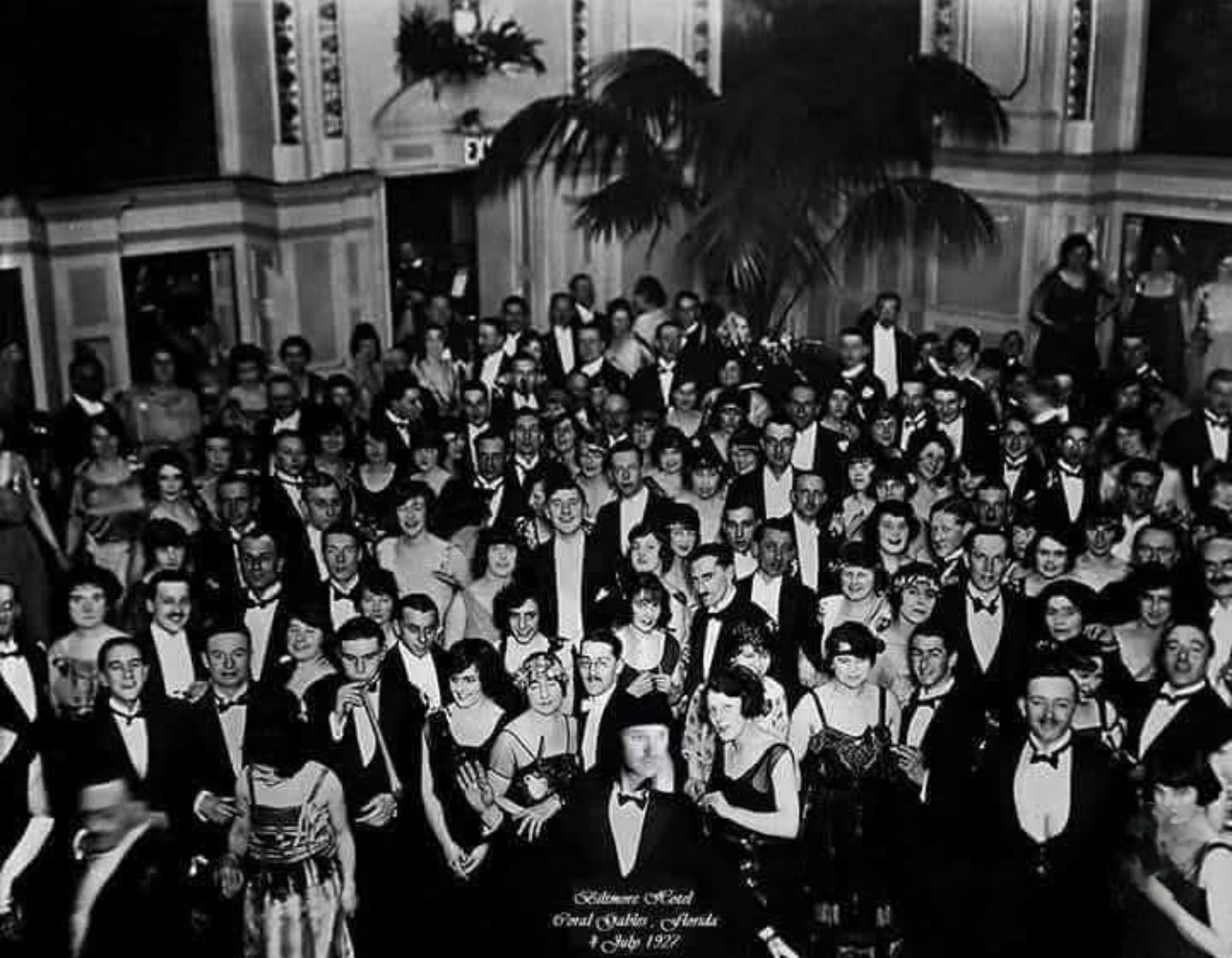
Nearly a century later, those early fashion shows reveal something important about Coral Gables itself. From its beginning, the city understood that architecture, clothing, entertainment and society could work together to create an identity.
The Biltmore wasn't simply a hotel where fashionable people stayed.
For a brief, glittering moment in the Roaring Twenties, it was one of the places where Miami came to see what being fashionable looked like.
Sources consulted: The Biltmore Hotel historical archive and Coral Gables Magazine.
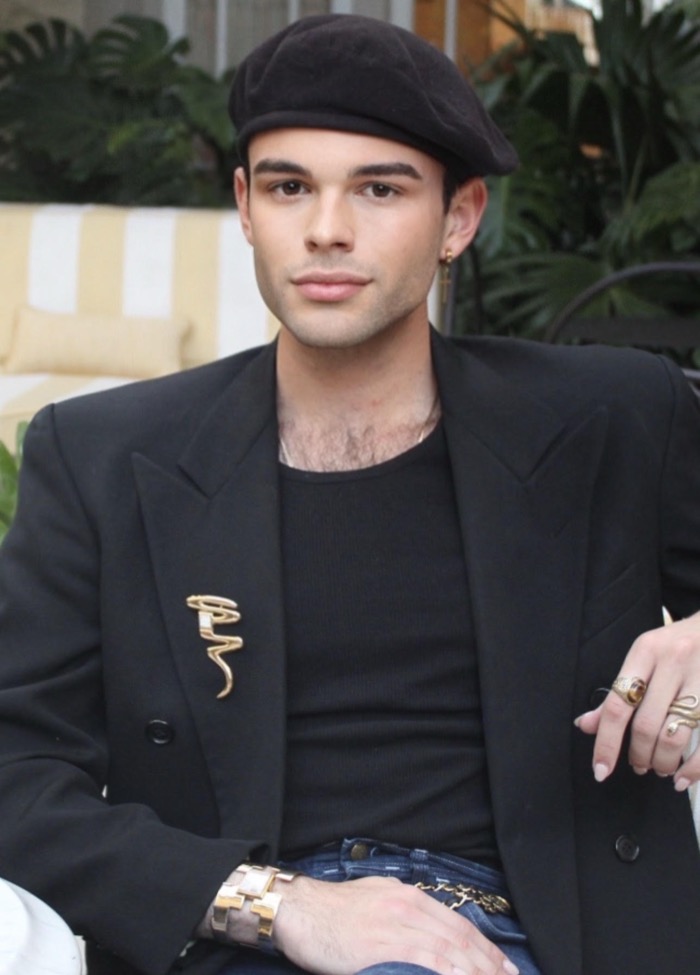
Sebastian Rodriguez
Miami-based vintage fashion curator, stylist, and owner of Turn Back the Clock Shop. With an eye for bold, glamorous fashion and a love of style from decades past, Sebastian brings vintage pieces into the present through personal styling, fashion storytelling, and his signature approach to getting dressed. Through his shop and creative work, he celebrates individuality, nostalgia, and the idea that great style never really goes out of fashion.