Different Languages, Same Human Conversation
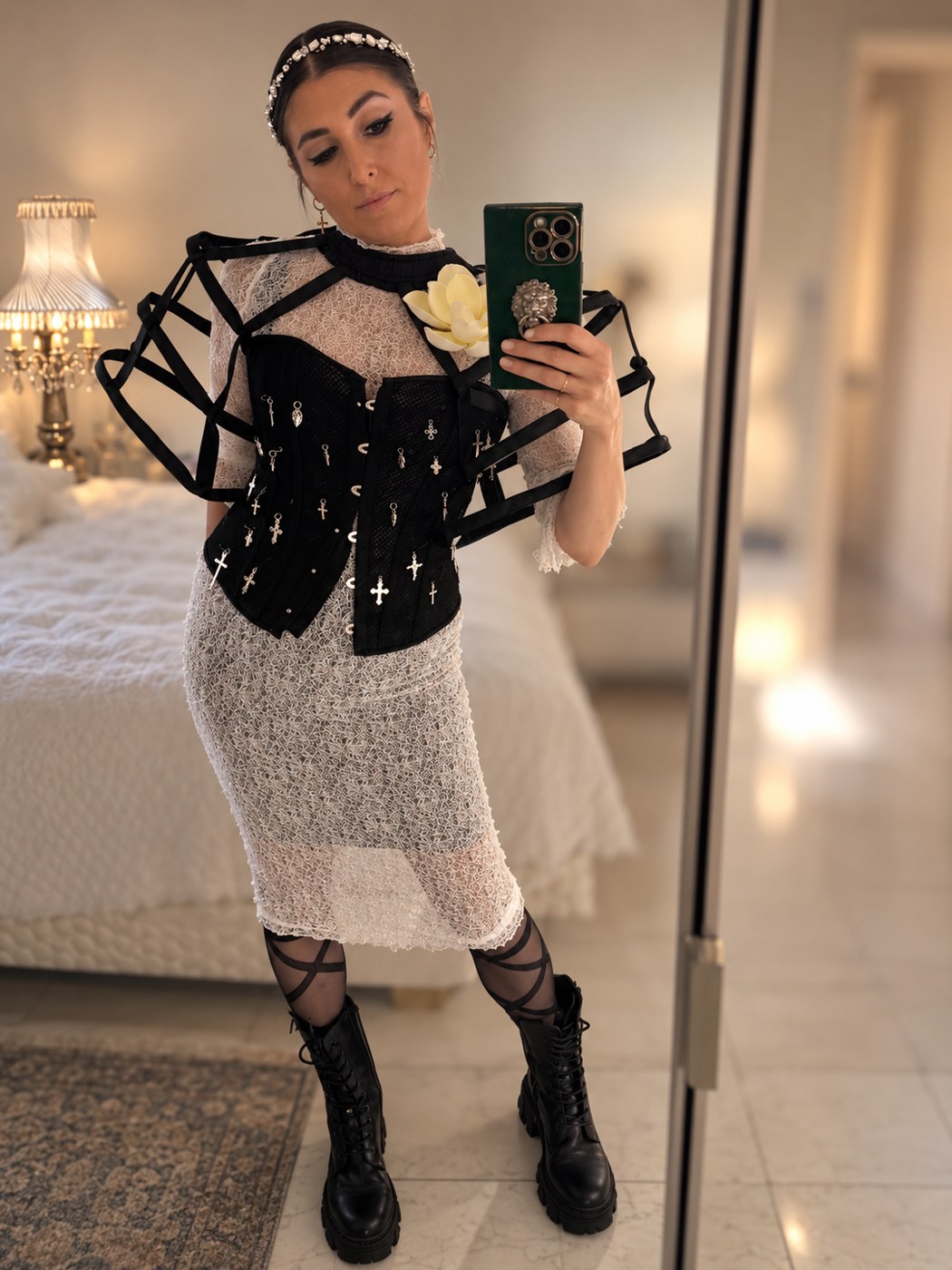
By Ashley “Asha” Lloret
Rosalía’s LUX moves through thirteen languages. It pulls from classical orchestration and contemporary sound, sacred imagery and very human feeling, histories and traditions that don’t necessarily belong to the same place or time.
And somehow, it all understands each other. That may be what moved me most.
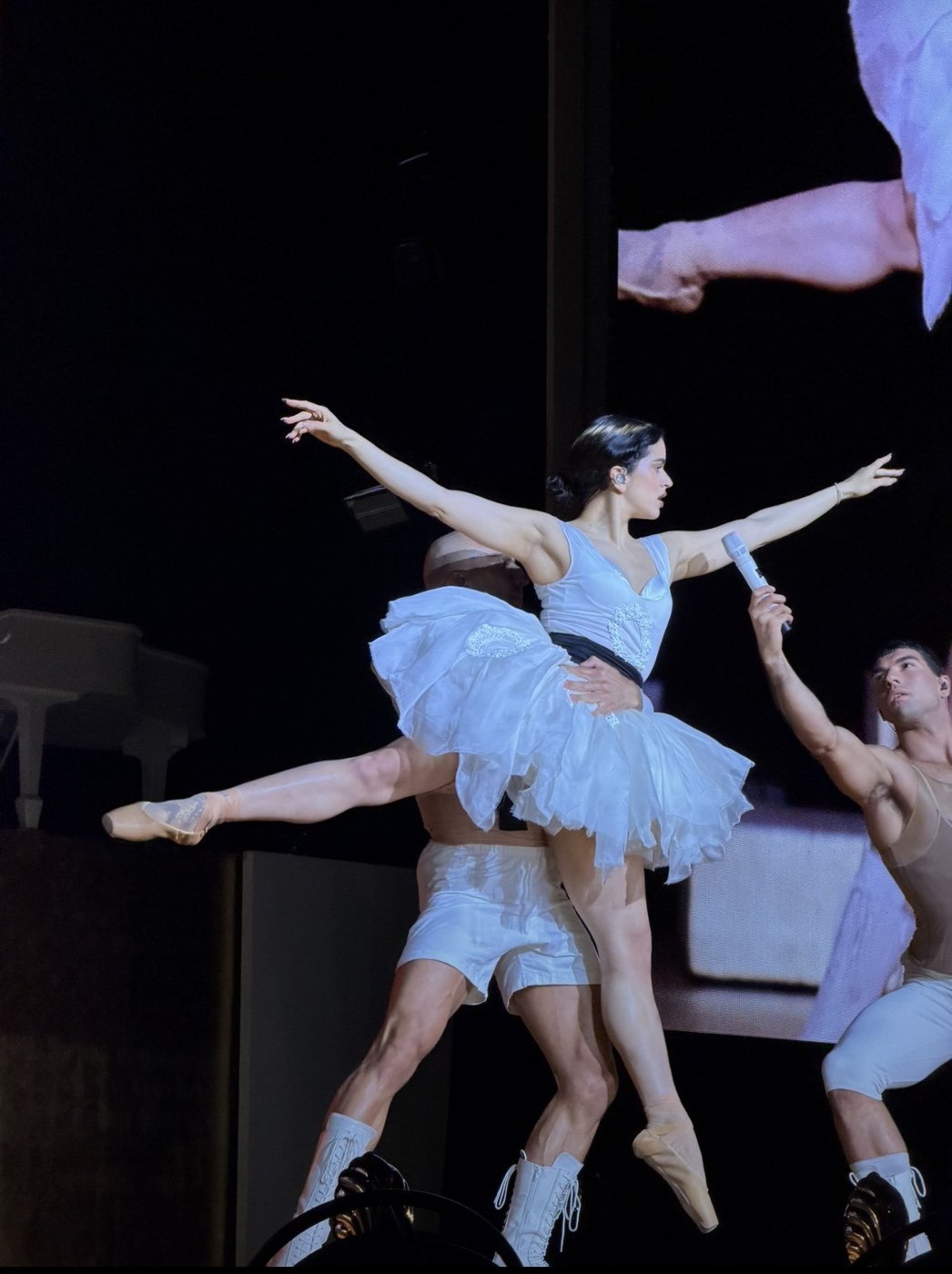
Long before I translated every lyric or traced every reference, I could feel the album in my body. I found myself telling friends who didn’t speak Spanish, or any of the other languages they were hearing, the same thing: It doesn’t matter. Just listen. You’ll feel it.
Because language has never belonged exclusively to words.
Music is a language. So is clothing. So is dance. Paintings have been communicating across centuries. We attach meaning to flowers, colors, objects, gestures, religious symbols. The vocabulary changes across cultures and generations, but somehow, we keep finding ways to talk about the same human things: love, loss, faith, desire, grief, beauty, transformation.
So when I knew I was going to see Rosalía perform LUX in Miami, I knew I needed to make something.
I didn’t want to dress for the concert.
I wanted to answer it.
My answer began as a pile of references.
Ballet, which had been part of my life since childhood. Degas. Velázquez’s Las Meninas. Pearls and rosaries. Religious iconography. Bridal veils and widow’s lace. Magnolias. A vintage wedding dress. Pink carnations that reminded me of my Abuelita.
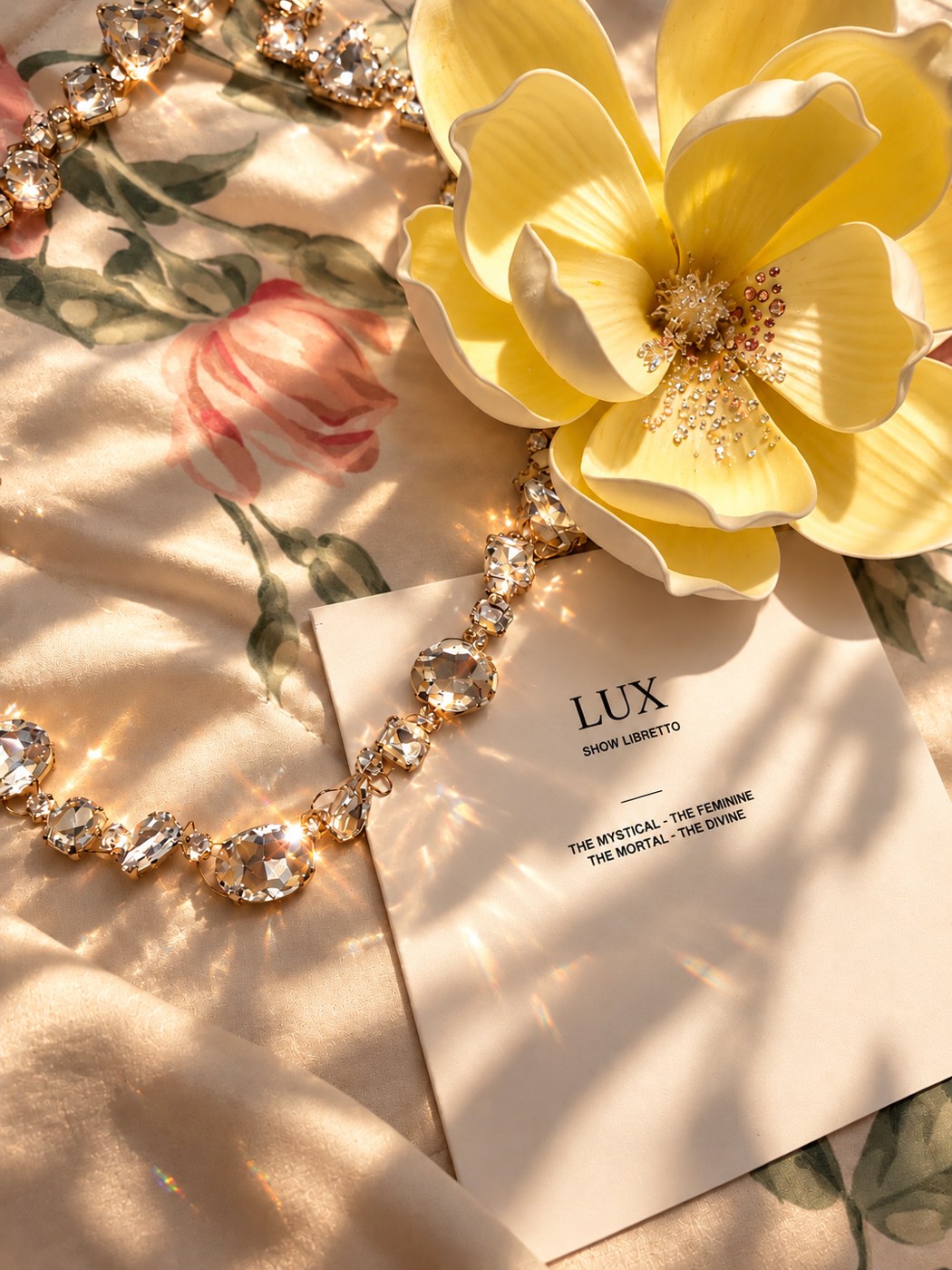
Some belonged to Rosalía’s world. Some belonged entirely to mine… and I wasn’t particularly interested in keeping track of which was which.
That’s the strange thing about inspiration. Something enters through someone else’s language and starts speaking to things already living inside your own.
So I began making.
I had sketches, but my first sketch is never a contract. It only contains what I know before I begin.
Making gives me new information.
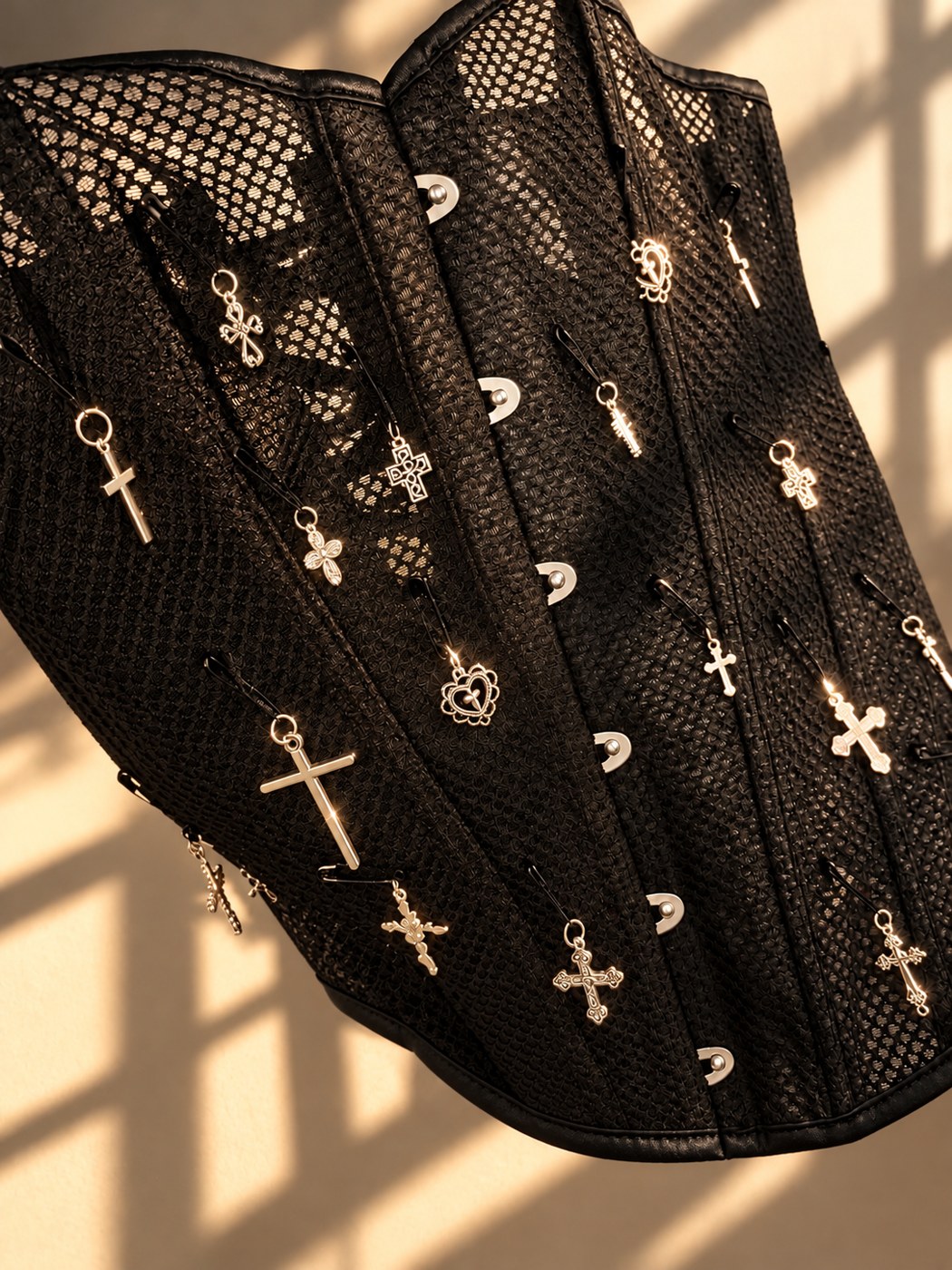
A cage structure I had designed to sit at my waist as a skirt ended up on my shoulders the day of the concert. I tried it there. It made more sense. So the skirt stopped being a skirt.
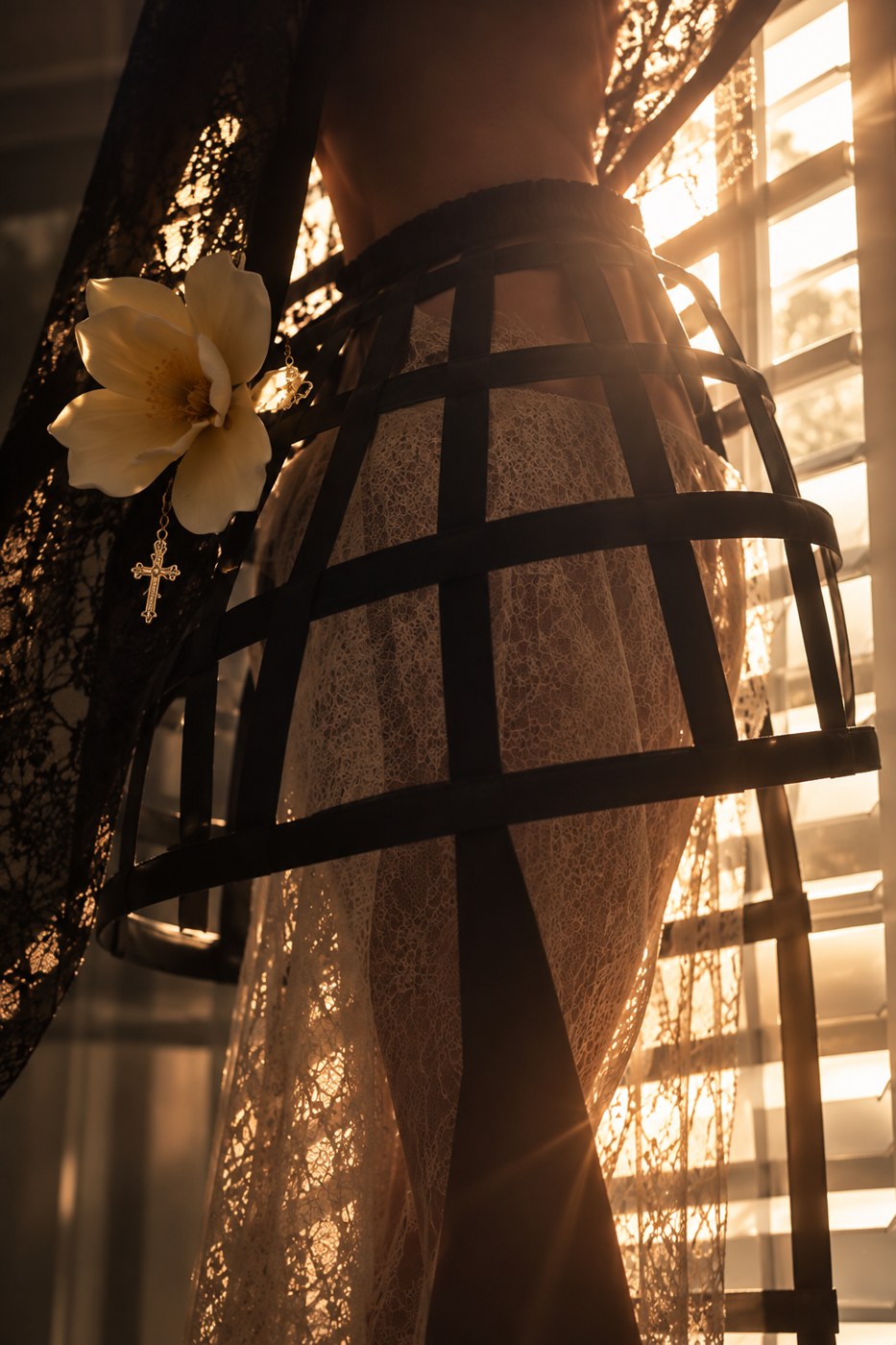
That small decision probably explains more about the way I work than any elaborate description could. Materials have properties. Bodies have proportions. References change when they meet one another. Why would I force the finished piece to obey an earlier idea when I now have more information?
By the time the look was finished, I couldn’t have separated all its influences if I tried. Some remained recognizable. Others had almost disappeared. Some had beautifully fused and become something brand new.

It wasn’t an illustration of LUX.
It was what LUX had become after passing through me.
And then I wore it into the arena. That’s when the conversation changed again.
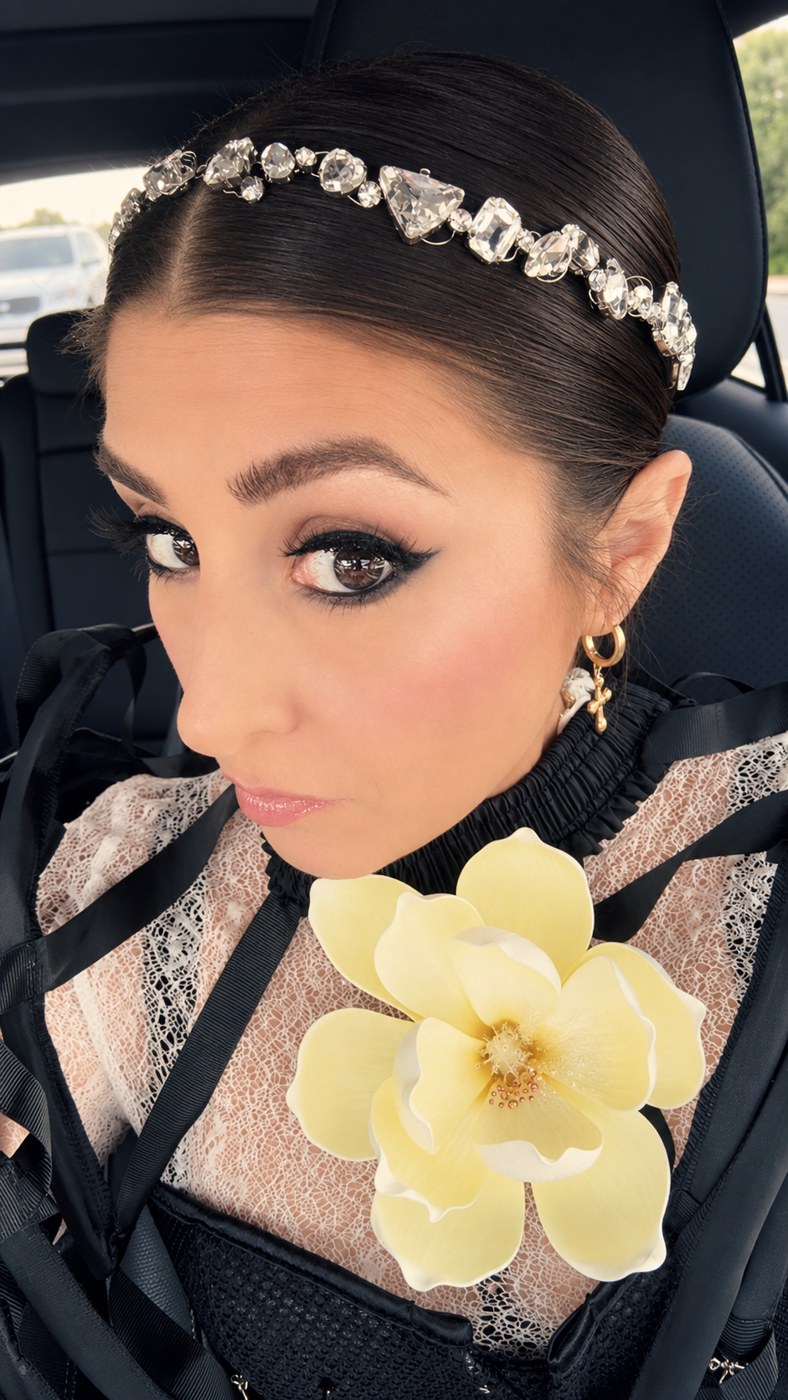
Strangers began stopping me and telling me what they noticed. Someone would point to a detail. Someone else would make a connection I hadn’t expected, or tell me what the look reminded them of.
Those were the conversations I wanted to stay in.
They didn’t know my references. They hadn’t seen my sketches or watched the pieces evolve. They didn’t know why something was there.
Something had translated anyway.
And their interpretations didn’t diminish mine. They added to the experience.
The look had left the private world where I made it and entered a shared one, where other people could bring their own histories, references and ways of seeing to it.
That may be what I love most about art.
We often imagine it traveling in one direction: an artist creates, an audience receives.
But the exchange can be much more alive than that.
Rosalía created something through her languages, references, history and feelings. I received it through mine and answered with the vocabulary I knew best: fabric, texture, silhouette, memory and the body.
Then someone else encountered my answer and responded from their own vocabulary.
No one in that chain needed exactly the same language.
Maybe that’s why a centuries-old painting can find its way into a concert outfit. Why a song sung in words you don’t understand can make you cry. Why someone else’s story can suddenly illuminate something from your own.
The languages may change.
The human conversation doesn’t.
Art doesn’t need to speak your language to speak to you.
And sometimes, being moved by it makes you want to answer in your own.
About Ashley “Asha” Lloret
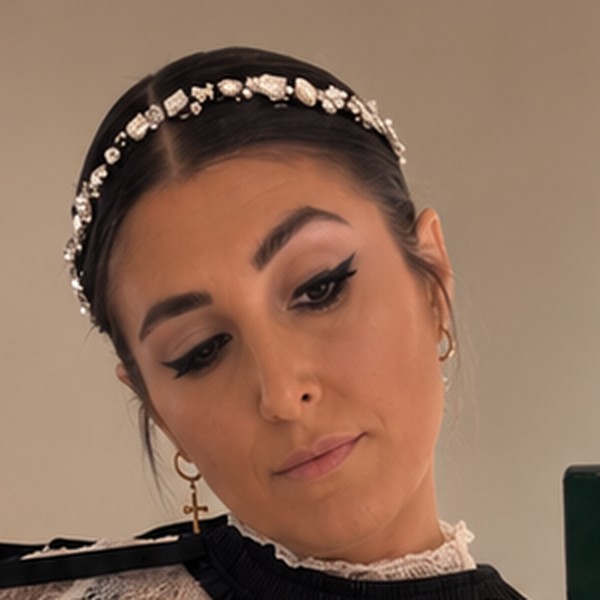
Ashley “Asha” Lloret is a Miami-based designer and artist whose work moves between fashion, objects, art, and experience. Trained in apparel design, she has spent her career creating across disciplines, allowing the idea to determine the medium and following what happens when clothing, objects, imagery, space, and story begin speaking to one another. Rooted in transformation, memory, and identity, her work explores how meaning can be given form, voice, and life.